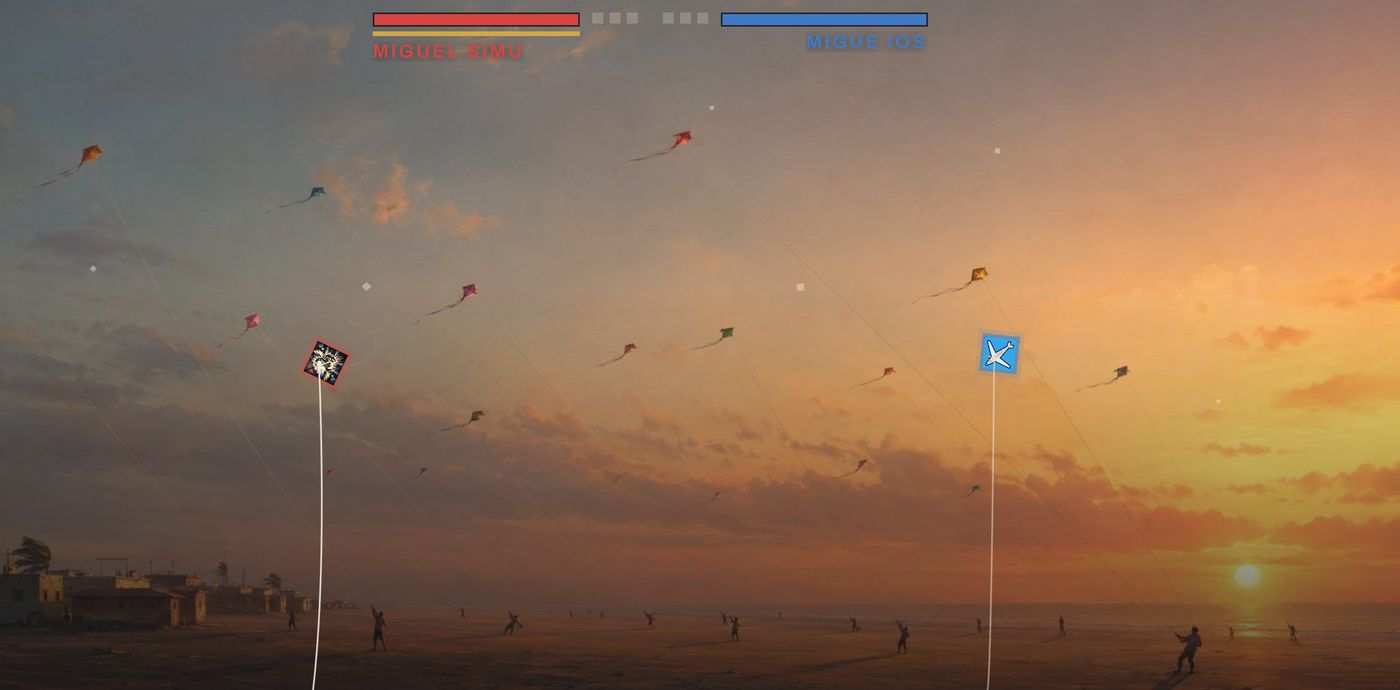
Two kites, one sky and a line that snaps. You fly with both thumbs resting on the bottom edge of the screen: no joystick, no attack button. You pull, you feed line, you look for the cross — and you cut.
Every other kite game hands you a stick on the screen and an attack button. Here your fingers do what they would do on the reel: you hold, you tug, you drum, you feed line and you let go. Two minutes to learn, and you never quite finish mastering it.
You hold the phone sideways and rest your thumbs on the bottom edge, one on each side: they never cover the sky. Both together do the let out and the release.
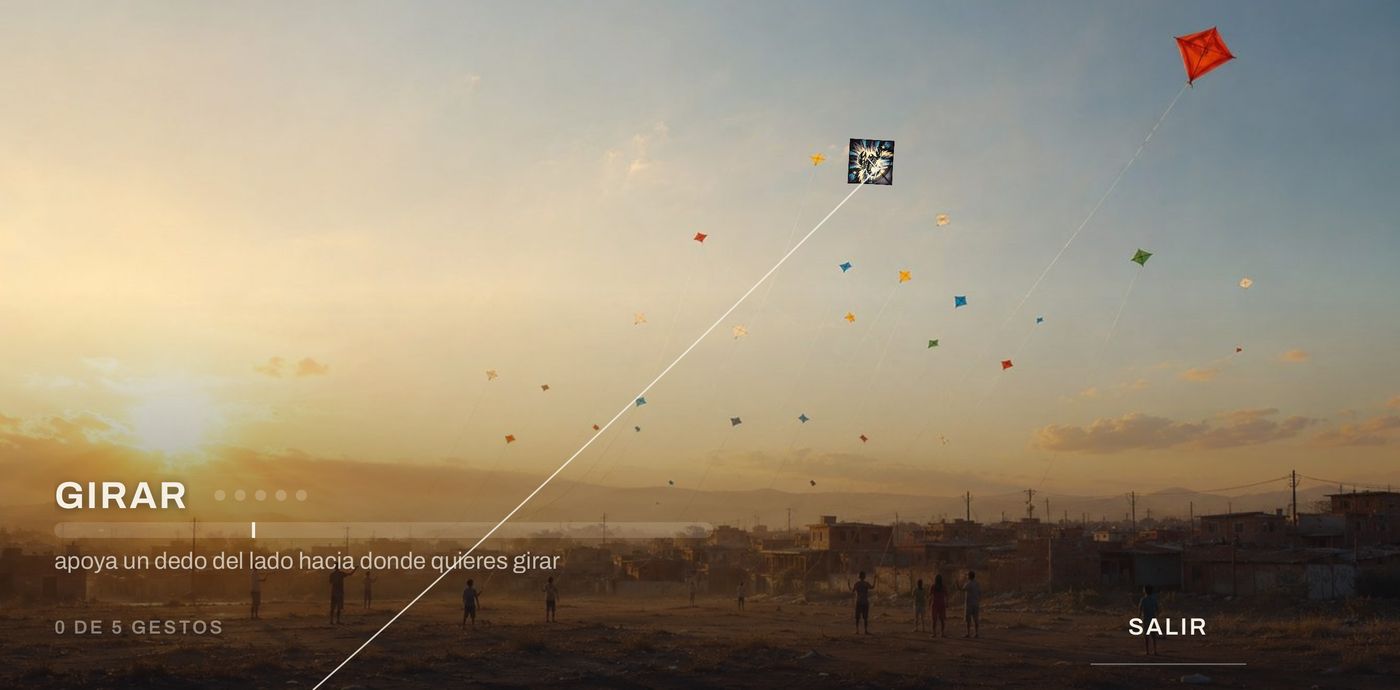
turn
Hold a finger on the side you want to turn to. It aims the kite, and everything else follows.
jab
One quick, loose tap. It lunges in and sets up the dive.
saw
Drum your fingers: faster means more tension. That is what grinds away inside a lock.
let out
Two fingers down and still. The kite drops and drifts away, leaving slack in the line.
release
Two fingers rising together. The counter: it cuts using his own aggression.
The practice yard teaches the five one at a time, and shows you on screen what the game is reading from your fingers.
the line is the game
There is no attack button
When the lines cross they lock and start grinding each other. Where they touch —near the reel or near the kite—, at what angle, which one runs above, and how much tension each one carries: that is what decides who cuts whom. The game reads the technique you are pulling off and names it on the spot.
technique 01
belly
You find the slack belly of his line and lift, firm. It works from below and it wants tension of your own.
technique 02
release
You let go all at once, right while he is pulling. It cuts with his aggression instead of yours, and it wants your line running above.
technique 03
dive
A vertical drop from above, with the kite's own speed behind it. It wants to touch close to his kite.
technique 04
scrape
A long horizontal rub along the edges. The slow road: the one left when there is nothing else.
the line
Three lines, three ways to win
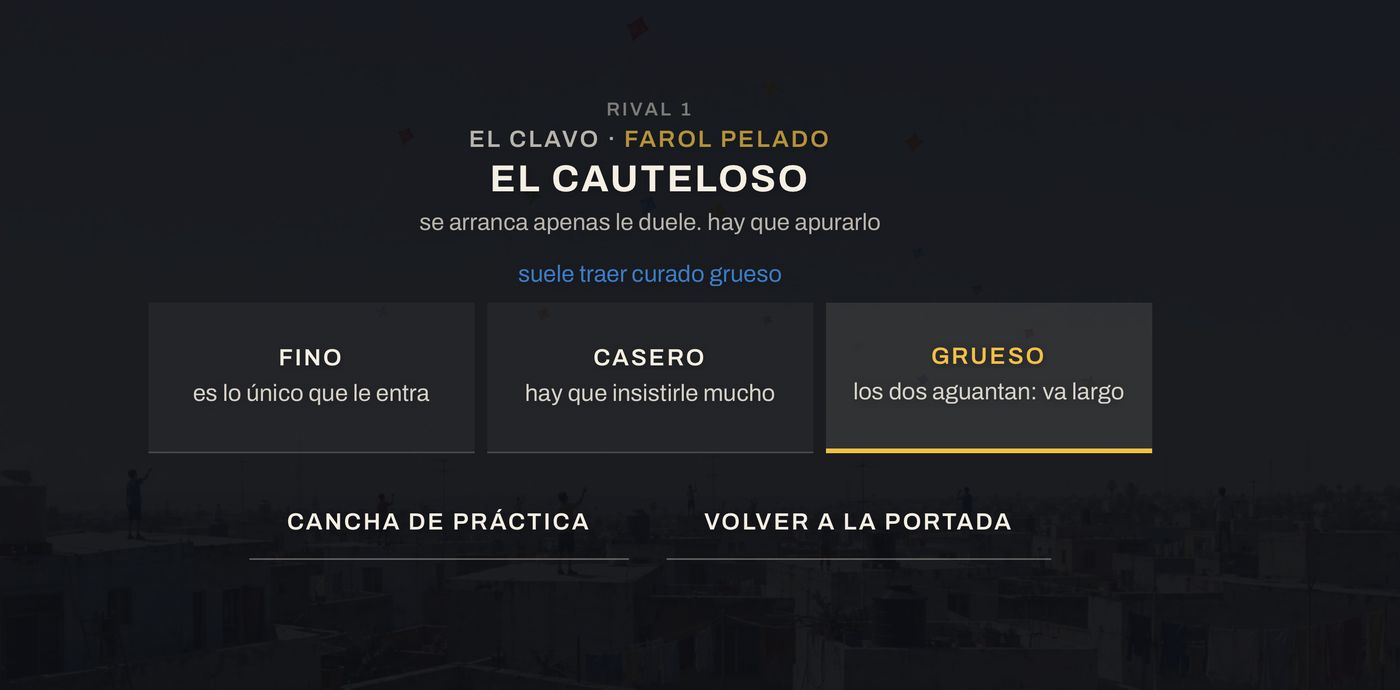
thin
Cuts on the first touch, but it is fragile and burns through fast. It rewards whoever lands the strike.
homemade
Uneven, good for everything, outstanding at nothing. The middle one.
heavy
It barely lands a strike: it wins the long grind on stamina. Duels get long.
All three go into the cut calculation. That is exactly why none of them is for sale: not for money, not for kites.
You pick your line before every duel. The rival brings his own, and the screen tells you which one he tends to use.
modes
What do you play
Four ways to go flying. Three of them never cost you a kite.
offline
the ladder
A line of rivals, each with his own habits, his club and his line. You climb by winning, and every few rungs you take the design of the club you just beat.
offline
practice yard
The five moves one at a time, no rush and nobody across from you. Afterwards it stays open to fly and try lines.
online
with a friend
You hand him a code, he types it in, and you face off right then. Nothing is at stake.
online
open matchmaking
Against whoever is flying, for season points: the duel raises or lowers your Elo. It is the only mode where kites are at stake.
Open matchmaking tells you what is at stake before you go in.
The ladder, the yard and your kites work offline. The ranking runs by season: the Elo closes and starts again.
identity
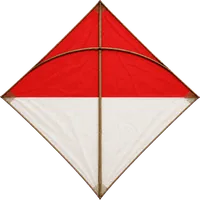
Sixty designs from twelve places
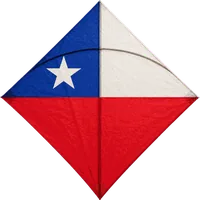
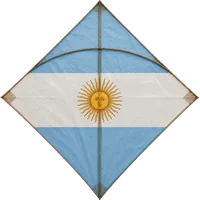
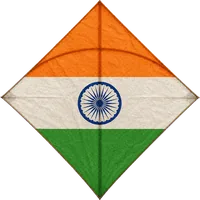
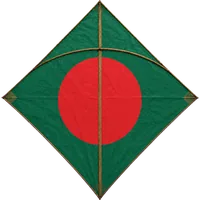
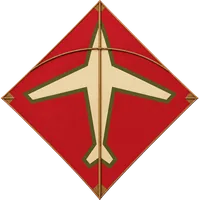
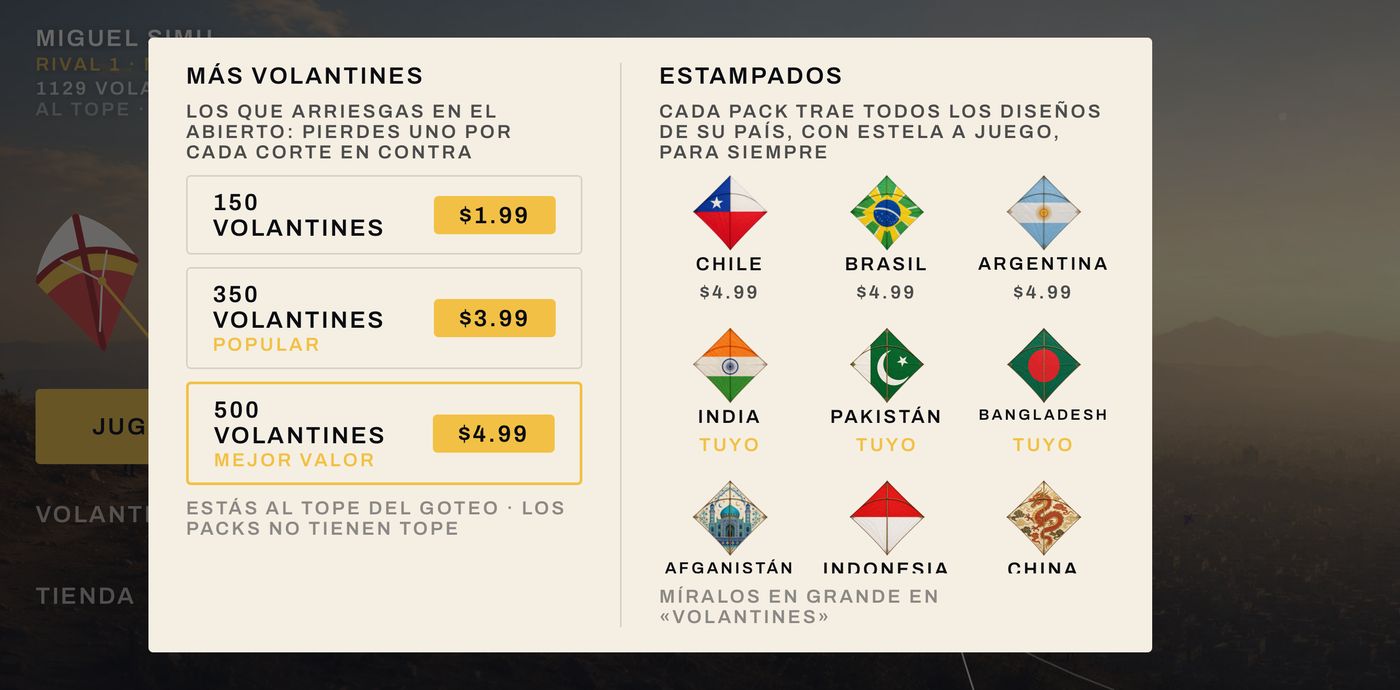
One pack per place: the five designs from there, with a trail in matching colours, yours forever. Ten countries where kite fighting is a real sport, plus the jets and the wonders of the world.
chile
brazil
argentina
india
pakistan
bangladesh
afghanistan
indonesia
china
japan
the jets
wonders
and ten that are not for sale
The colours of the club you beat
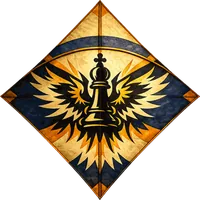
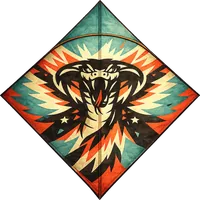
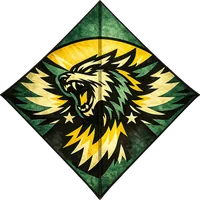
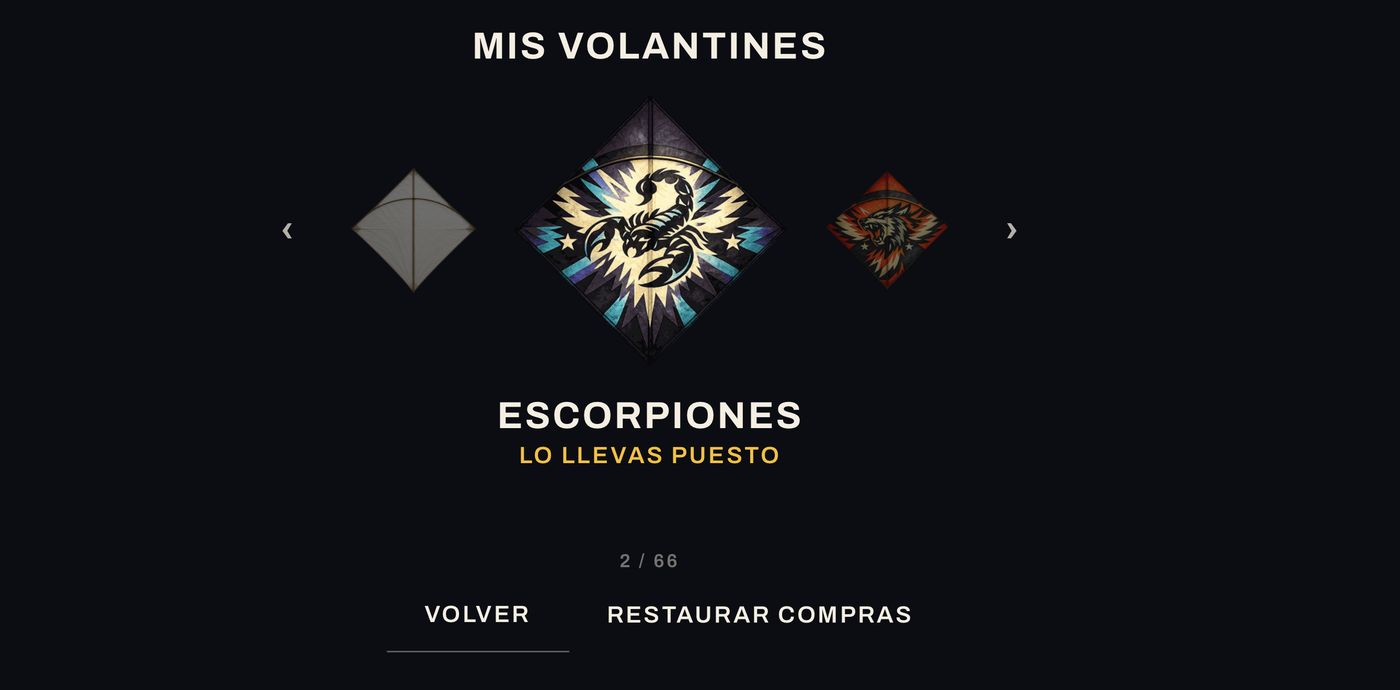
Scorpions, wolf, cobra, tiger, skull — and then the bestiary of the high rungs. They only come out by climbing the ladder: what you earn by playing has to be different from what you buy.
scorpions
cobra
tiger
king
dragon
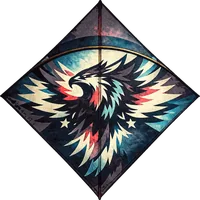
phoenix
Your kites: you try on the ones you own and go flying with that one.
the rule
We sell identity and access. Never power, never outcome.
The designs are paper: they change how you look, not how you fly. The line, the wind and the cutting model are the same for everyone, whether you buy or not. There is no premium kite and no hidden edge.
kites are tokens
In open matchmaking you lose one for every cut against you: between zero and three per duel. The one that gets cut is destroyed — your rival does not take it.
they come back free
A daily drip arrives on its own, plus a courtesy every few hours if you hit zero. The packs in the store only speed that up.
they are not money
They are not wagered, not transferred, not cashed out, and they do not buy designs. And if you run out, the ladder, the yard and friend codes are still there.
No ads. No advertising trackers. No account needed to start playing: you link one with Apple or Google only when you want to carry your progress to another phone.
The whole store: kite packs to keep taking risks, and design packs by country. Nothing else.
out now
It is on your phone now
Free on the App Store and Google Play. If something breaks, write to contacto@pewen.dev.